

Amal Syam Highlights Threats to Social Stability in Gaza
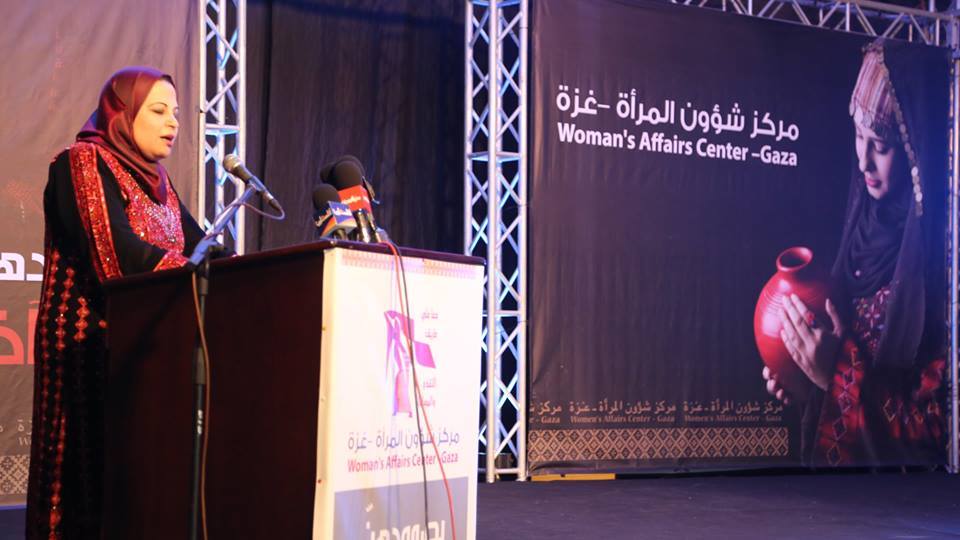
Ms. Amal Syam, Director General of the Women’s Affairs Center (WAC) in Gaza, participated in the National Stakeholders Consultation Workshop for 2026 planning, where she highlighted several emerging social challenges resulting from the ongoing war, displacement, and worsening economic conditions in Gaza.
Displacement and Changes in Family Structures
During her intervention, Syam noted that widespread displacement has forced many nuclear families to merge into extended living arrangements, creating what she described as “super families.”
While these arrangements may provide a degree of protection and support, she warned that they have also led to the exclusion of some vulnerable family members, particularly young widows of martyrs, who are increasingly perceived as an economic burden.
Resurgence of Child Marriage
Syam expressed concern over the documented resurgence of child marriage, including marriages involving girls under the age of 18 and, in some cases, under the age of 16.
She explained that economic hardship has become a key driver behind this trend, with some families resorting to early marriage as a coping mechanism. She also noted concerns regarding aid eligibility criteria that may unintentionally encourage such practices by favoring married couples.
Growing Risks Associated with Unregistered Marriages
Another issue highlighted by Syam was the significant increase in unregistered marriages.
She indicated that an estimated 60–70 percent of marriages at the beginning of the war were not officially registered, warning that this could create serious future challenges related to lineage, legal identity, and the rights of women and children.
Harassment and Digital Exploitation
Syam pointed to the impact of overcrowded camps and the lack of privacy in tents on the safety and mobility of women and girls.
She reported increased incidents of harassment in markets and public spaces, which discourage women from moving freely. She also highlighted the emergence of a new form of violence involving the exploitation of personal data, where women are subjected to coercion or harassment through digital platforms promising humanitarian assistance.
Humanitarian Indicators Reflect Deepening Vulnerabilities
During the discussion, Syam shared several figures that illustrate the scale of vulnerability in Gaza.
According to the information she presented, Gaza is home to approximately 49,000 unaccompanied children, including 17,000 who have lost both parents. She also referred to 22,000 newly widowed women and 34,000 individuals who have acquired disabilities as a result of the war.
Call for Reconstruction and a National Dialogue on Sumud
Syam criticized the continued focus on temporary shelter solutions such as tents, arguing that they are unable to withstand severe weather conditions and do not provide adequate protection for affected communities.
She called for immediate reconstruction efforts and urged the launch of a national dialogue aimed at localizing the concept of Sumud (resilience), including defining what resilience means for Palestinian women and children in the current context.